
Generative AI in Marketing: From Content Creation to Customer Engagement
Generative AI is no longer just an emerging trend in marketing. It is becoming part of everyday marketing operations, changing how teams create content, personalise customer experiences, analyse data, and optimise campaigns.
For marketers, the real value of Generative AI is not simply that it can produce text, images, videos, emails, or campaign ideas faster. Its bigger impact lies in how it helps teams move from manual execution to smarter, more scalable marketing. When combined with quality data, clear governance, and human creativity, Generative AI can support more relevant content, faster testing, stronger customer engagement, and better decision-making.
Recent marketing reports show that AI is now becoming a baseline capability rather than a future differentiator. HubSpot’s 2026 State of Marketing Report notes that many marketers are already using AI for content creation and media production, while the bigger challenge is how to use AI well without losing brand trust, creativity, and human connection.
What is Generative AI in marketing?
Generative AI refers to AI systems that can create new content or outputs based on prompts, data, patterns, and context. In marketing, this could include blog drafts, social media captions, ad variations, email subject lines, product descriptions, chatbot responses, campaign concepts, customer segments, or personalised recommendations.
However, the best use of Generative AI is not to replace marketers. It is to support them. AI can speed up repetitive work, generate options, analyse large volumes of information, and help teams test ideas faster. Human marketers are still essential for strategy, brand voice, audience understanding, creativity, ethics, and final decision-making.
This is especially important as customer expectations continue to rise. Adobe’s 2026 AI and Digital Trends in Customer Engagement report highlights that agentic AI is raising expectations for real-time personalisation, but many organisations still need stronger data, analytics, and internal alignment to deliver it properly.
Common marketing applications of Generative AI
- Content creation and content scaling: Generative AI can assist marketers in generating a variety of content types, including articles, blog posts, social media updates, and more. By providing prompts and desired parameters, you can harness the power of AI to create high-quality and engaging content efficiently.
- Campaign Personalisation: Tailoring your marketing campaigns to individual customers can significantly enhance their effectiveness. Generative AI can analyse customer data and preferences to craft personalised messages, offers, and recommendations, fostering deeper connections and higher conversion rates.
- Idea Generation: Stuck in a creative rut? Generative AI can be your brainstorming partner. By inputting basic concepts or themes, the AI can generate a multitude of ideas, helping you discover fresh and inventive angles for your marketing initiatives.
- A/B Testing Variations: Testing different variations of content is essential to optimise your marketing strategy. Generative AI can swiftly create multiple versions of a piece of content, allowing you to conduct A/B tests more efficiently and refine your campaigns based on real-time insights.
- Enhanced Customer Interaction: Chatbots and virtual assistants powered by Generative AI can offer real-time customer support, answer queries, and provide personalised recommendations. This 24/7 availability enhances customer satisfaction and engagement.
- Language Localisation: Expanding your marketing efforts to global audiences requires content localisation. Generative AI can assist in translating and adapting your content, ensuring cultural relevance and resonance with diverse markets.
- Strategic Insights: Generative AI can analyse vast amounts of market data and customer behaviour to provide valuable insights. This information can guide your marketing decisions, from identifying emerging trends to predicting customer preferences.
The next challenge: governance, quality, and human control
As Generative AI becomes more widely used, the biggest question is no longer “Can we use AI?” but “How do we use it responsibly and effectively?”
Marketing teams need clear rules around:
- Brand voice and content approval
- Data privacy and customer consent
- Accuracy and fact-checking
- Bias and fairness
- Copyright and content ownership
- Human review and accountability
- AI tool selection and system integration
Without proper governance, AI can create risks such as inaccurate claims, generic content, poor customer experiences, privacy issues, or brand inconsistency. With the right operating model, however, AI can become a practical tool for improving both efficiency and creativity.
Continue the conversation at The MarTech Summit
As Generative AI moves from hype to practical execution, marketers need more than tools. They need real-world examples, peer discussions, and practical frameworks for using AI, data, automation, and customer technology effectively.
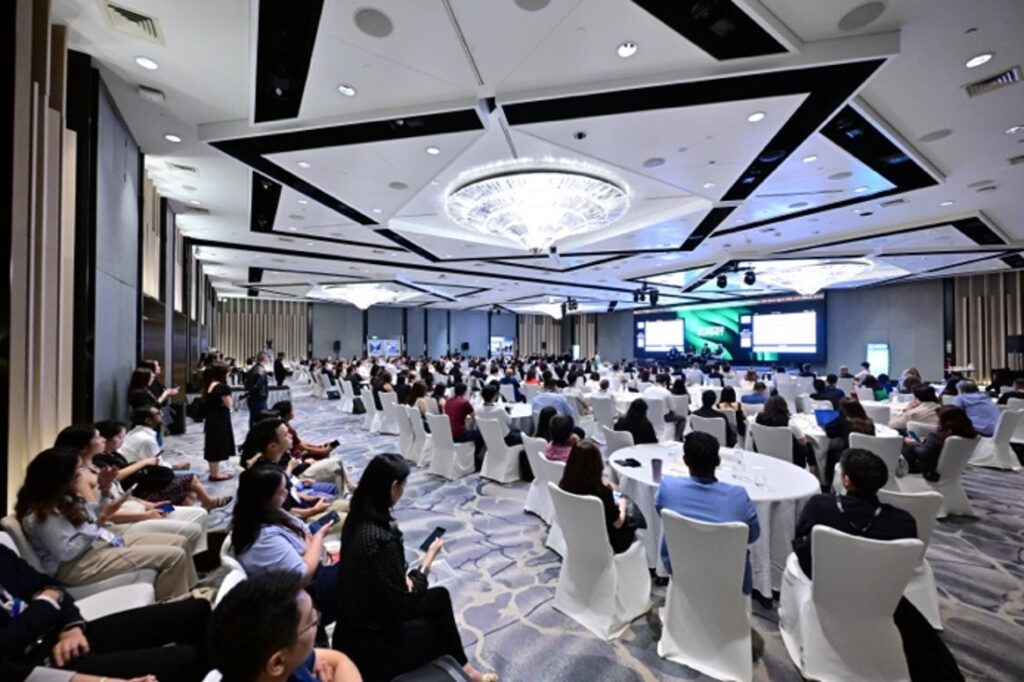
This is exactly what The MarTech Summit explores across its global event series. Our summits bring together senior marketing, digital, data, CX, CRM, e-commerce, and technology leaders to discuss the future of marketing technology, from AI-powered personalisation and marketing automation to customer engagement, data-driven marketing, and MarTech stack integration.
The MarTech Summit’s 2026 event line-up includes major gatherings across APAC and EMEA, including Amsterdam, Manila, Hong Kong, Bangkok, Singapore, London, and more. The Global Virtual MarTech Summit APAC & EMEA 2026 is also centred around the theme “Beyond the Buzz: AI That Drives Growth”, focusing on how AI is moving from hype to real-world application.
Read more MarTech Wiki at: https://themartechsummit.com/category/martech-wiki/