
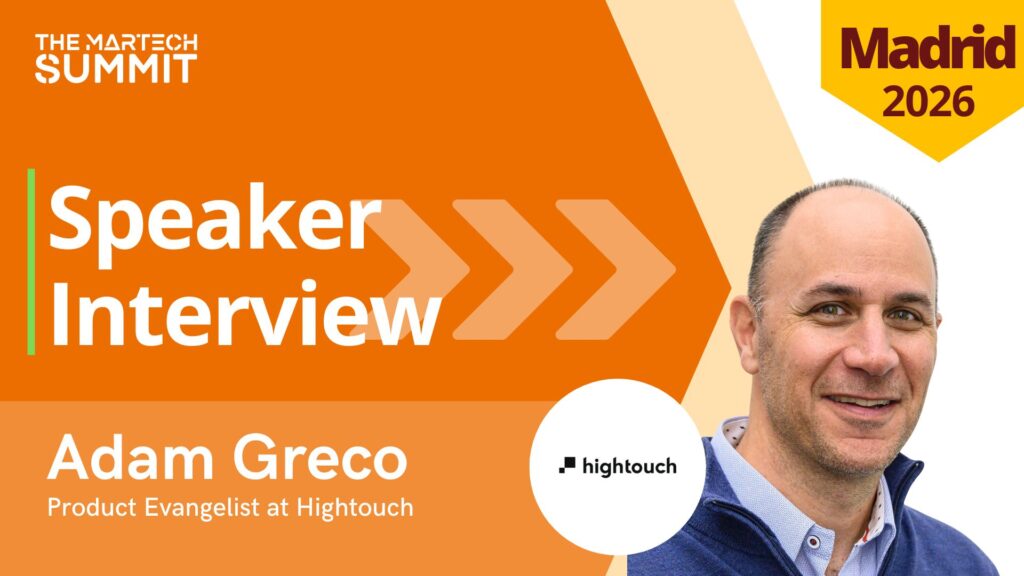
As marketing continues to evolve at an unprecedented pace, few voices have witnessed—and shaped—its transformation as closely as Adam Greco. With over two decades of experience across industry-defining platforms like Omniture, Salesforce, and Amplitude, Adam now serves as Product Evangelist at Hightouch, where he helps organisations navigate the next major shift in MarTech. At The MarTech Summit Madrid 2026, he will take the stage to explore how agentic AI is redefining the way marketers plan, execute, and scale campaigns, moving from slow, manual processes to faster, more intelligent systems powered by data.
About Hightouch
Hightouch is a leading data activation platform that enables businesses to sync customer data from their data warehouse directly into marketing, sales, and operational tools. Built on a composable architecture, Hightouch empowers organisations to take control of their data, eliminate silos, and deliver personalised experiences at scale. By making customer data accessible and actionable across the entire tech stack, Hightouch helps teams move faster, reduce complexity, and fully leverage the power of modern data infrastructure.
Quick Q&A with Adam Greco
Could you please give us a quick introduction of yourself and share a bit about your role at Hightouch?
I am a product evangelist at Hightouch. I have been in the Martech space for over two decades, working at leading tech companies including Omniture, Salesforce, Amplitude, and now Hightouch. In my role, I spend a lot of time talking to marketers, writing blog posts based on what I hear, and travelling around the world to share what I see in the customer data space so marketers can understand the latest trends.
Why did you choose to participate in this summit?
I find Martech fascinating and have devoted most of my career to the field. I am participating in the Madrid Martech Summit to learn what Spanish companies are doing in Martech and to share some of the new industry trends I am seeing. Specifically, some trends around composable architectures and Agenetic Marketing that are happening in the United States are now beginning to occur in Spain.
You’ve witnessed several major shifts in marketing over the past two decades. What makes this current shift towards agentic AI different from previous transformations?
Marketers have always been constrained by long, complex processes for delivering campaigns. From strategy to creative brief to copy and images to approval flows, audience targeting, and execution. Then, when factoring in the handoff delays between these steps, you can see why it traditionally takes weeks to launch new campaigns. But Agentic AI now provides a way to streamline these steps with dedicated agents that handle 80% of the busy work, allowing marketers to focus on the more valuable campaign aspects.
From your experience, what is one common mistake companies make when trying to adopt AI in their marketing efforts?
Many marketers think AI is a magic solution to all of their problems, which it is not. To be successful, AI requires organisations to have a single, trusted source of customer data. But many organisations are using outdated Martech stacks with several SaaS marketing tools, or have outsourced their Martech stack to a large marketing suite. Both of these approaches fragment customer data, making it difficult for AI to work effectively. Leading organisations are investing in composable architectures based on cloud warehouses, so AI has the most context to improve marketing.
How can marketers better leverage customer data to create faster and more personalised campaigns without adding more complexity?
If marketers truly want to deliver better, faster, more personalised campaigns, they will have to take ownership of their customer data collection. Instead of relying on various JavaScript tags or SDKs, marketers should build their own data pipeline and send data directly to cloud data warehouses so everyone at the company is working from the same data. From the warehouse, marketers can send enriched data to customer activation tools (ESPs, Ad Networks, etc.) so all customer touchpoints are factored in, which will ensure customers receive cohesive, personalised digital experiences.
Can you share one personal or professional goal you’d like to achieve in 2026?
Like most people, my main professional goal for 2026 is to learn more about AI and see how I can use it more effectively in my job role.
Adam’s perspective offers a clear reminder that while AI is unlocking new possibilities, its true power depends on strong data foundations and the willingness to rethink legacy systems. As marketing enters a new era shaped by composability and automation, those who embrace change with clarity and purpose will be best positioned to deliver faster, more relevant, and more impactful customer experiences.
The MarTech Summit Madrid – Redefining MarTech: Autonomous, Intelligent, Human-Centred
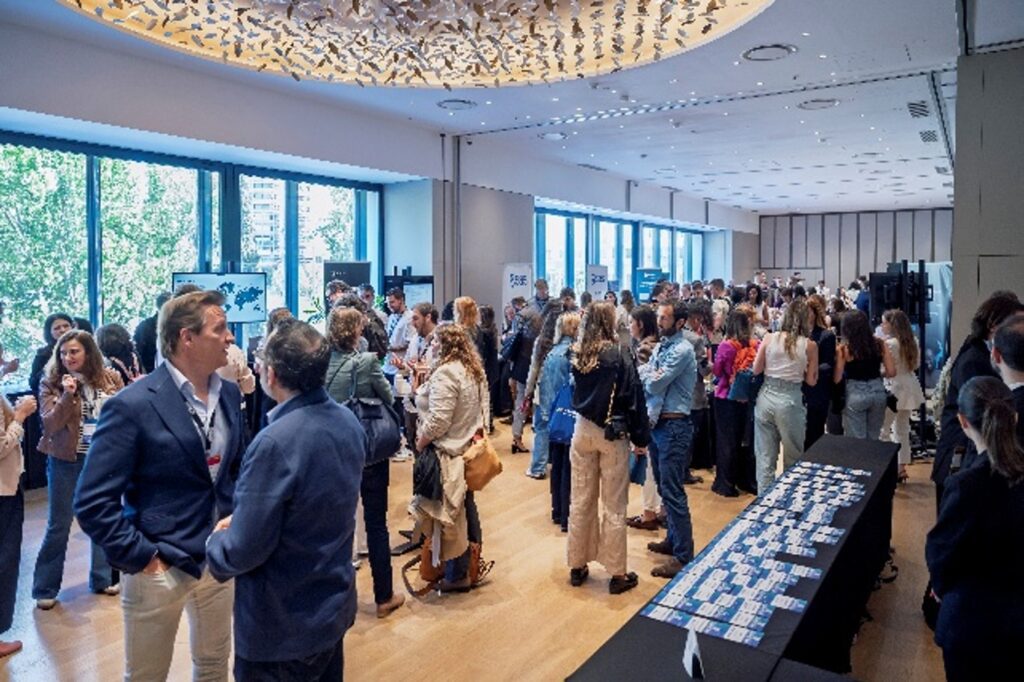
Join us on 19 May 2026 at VP Plaza España Design! This English-language event offers a comprehensive exploration of the evolving MarTech landscape, focusing on the integration of technology, data, and innovation in driving business success.

➡ Interested in becoming a partner? Don’t hesitate to get in touch with us at sponsor@themartechsummit.com.
Can’t attend in person? No problem. Join BEETc On-Screen, our On-Demand Learning Platform, for exclusive access to 500+ sessions and over 300 hours of content from global summits. Upskill at your own pace, gain actionable insights, and stay ahead in a rapidly evolving business landscape.
Stay up to date with our Speaker Line-up, Session Information, and Agenda Updates by following us on:
See more MarTech Thoughts interview pieces here!
Last updated: April 2026