
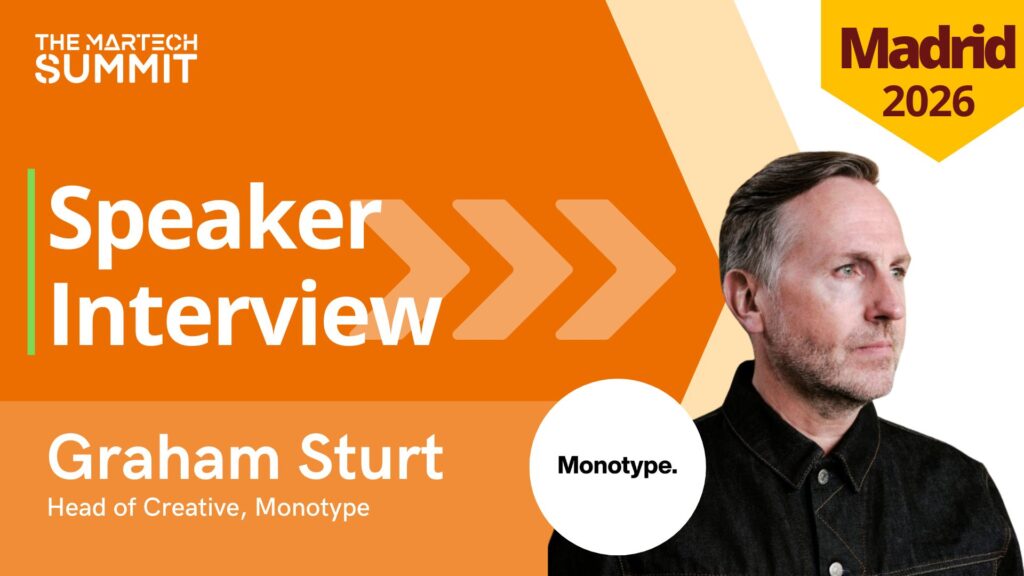
Typography has long been seen as a creative detail, but in today’s complex marketing environments, it is quickly emerging as a critical operational challenge. Graham Sturt, Head of Creative at Monotype, brings a unique perspective shaped by years of experience at leading international agencies and now at the company behind some of the world’s most recognised typefaces. At The MarTech Summit Madrid 2026, Graham will introduce a fresh way of thinking about typography, not as a design element, but as infrastructure that underpins brand consistency, efficiency, and scalability across global organisations.
About Monotype
Monotype is a global leader in type design and font technology, trusted by some of the world’s most recognisable brands. With a rich heritage spanning over a century, Monotype combines creative expertise with innovative technology to help organisations manage, distribute, and optimise their typography at scale. From iconic typefaces to advanced font management solutions, Monotype enables brands to deliver consistent, high-quality experiences across every channel and market.
Quick Q&A with Graham Sturt
Could you please give us a quick introduction of yourself and share a bit about your role at Monotype?
I’m Graham Sturt, Head of Brand Creative at Monotype, the company behind some of the world’s most recognised typefaces and font technology. In my role, I sit at the intersection of brand strategy and creative operations, which means I think a lot about how design systems actually function at scale. Typography is at the heart of everything we do at Monotype, so I understand deeply how organisations, large and small, succeed or struggle with it.
Why did you choose to participate in this summit?
The Martech Summit Madrid brings together exactly the people who feel the pain of this problem most: marketing leaders who are scaling campaigns, managing agencies, and navigating complex tech stacks. TypeOps isn’t a niche design topic; it’s a marketing operations challenge. The conversations that happen at events like this are where ideas move from theory into practice, and I want to give attendees a practical framework they can take back and apply immediately.
Typography is often seen as a creative detail. What made Monotype realise it is actually a much bigger operational challenge for organisations?
The numbers made it undeniable. For a 100-person creative team, unmanaged typography can cost over $1.5M annually in operational drag, from licensing complexity, version control failures, and creative time lost to admin. When Monotype started mapping how fonts actually move through organisations, emailed between teams, purchased ad hoc, governed reactively, we realised the problem wasn’t creative at all. It was infrastructure. Typography is everywhere, but almost nobody is managing it deliberately.
The idea of TypeOps is relatively new. How would you explain it in simple terms to marketing leaders?
TypeOps is what happens when you stop treating fonts as files and start treating them as infrastructure. Just as you wouldn’t manage your CRM through email attachments, you shouldn’t manage your brand’s typography that way either. It means assigning ownership, embedding fonts into your workflows and tools, governing licensing proactively, and measuring consistency across every market and channel. It’s not a design project, it’s an operational discipline that enables creative teams to do better work, faster.
Looking ahead, how do you see AI shaping the future of creative production, and what role will typography governance play in that evolution?
AI is dramatically accelerating creative output, which makes governance more critical, not less. When you can generate hundreds of assets in minutes, unmanaged typography doesn’t create small inconsistencies; it creates brand fragmentation at scale. The organisations that will thrive are those where typography is embedded into every production pipeline, human or AI-assisted. Governance that lives in a PDF no one reads won’t survive. It needs to be built into the systems themselves, travelling automatically with every workflow.
Can you share one personal or professional goal you’d like to achieve in 2026?
I’d love to see TypeOps become a recognised discipline within marketing operations. Something that appears on org charts, gets budget, and has named owners, the way that content ops or marketing technology does today. We’re at an inflexion point where enough organisations are feeling the pain that the idea is ready to take hold. Monotype’s goal is to help accelerate that shift, and events like Martech Madrid are exactly where that conversation needs to happen.
Graham’s insights challenge marketers to rethink the foundations of their creative operations. As AI accelerates content production and multiplies touchpoints, the need for structured, scalable systems becomes more urgent than ever. By treating typography as infrastructure rather than an afterthought, organisations can unlock greater consistency, reduce inefficiencies, and build stronger, more cohesive brand experiences across every channel.
The MarTech Summit Madrid – Redefining MarTech: Autonomous, Intelligent, Human-Centred
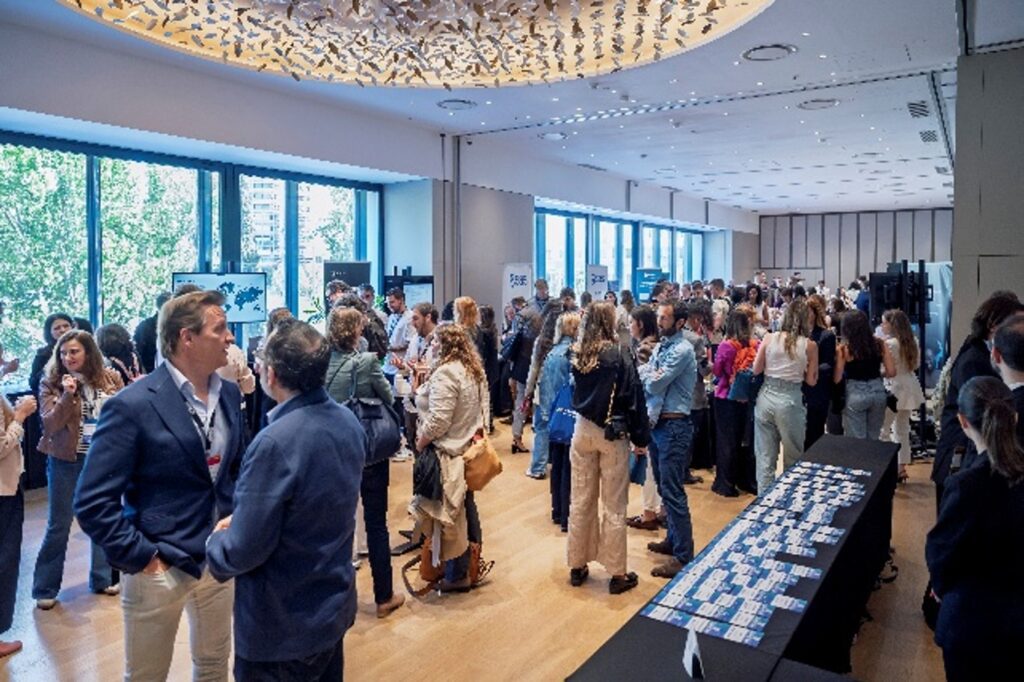
Join us on 19 May 2026 at VP Plaza España Design! This English-language event offers a comprehensive exploration of the evolving MarTech landscape, focusing on the integration of technology, data, and innovation in driving business success.

➡ Interested in becoming a partner? Don’t hesitate to get in touch with us at sponsor@themartechsummit.com.
Can’t attend in person? No problem. Join BEETc On-Screen, our On-Demand Learning Platform, for exclusive access to 500+ sessions and over 300 hours of content from global summits. Upskill at your own pace, gain actionable insights, and stay ahead in a rapidly evolving business landscape.
Stay up to date with our Speaker Line-up, Session Information, and Agenda Updates by following us on:
See more MarTech Thoughts interview pieces here!
Last updated: May 2026